Team
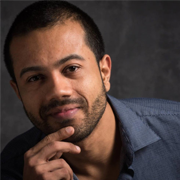
Dr Rodrigo Kazu Siqueira
Research Associate, Sheffield Institute for Translational Neuroscience (SITraN), University of Sheffield / Snyder Lab, Stanford University.
I am a computational biologist working at the intersection of single-cell multiomics, spatial transcriptomics, and complex network theory, with a focus on ALS/MND. I am currently a Research Associate in the Cooper-Knock group at SITraN, University of Sheffield, embedded within the Snyder Lab at Stanford University. I lead the analysis of the largest ALS single-cell multiome atlas to date (788,330 cells, motor cortex) and am generating the first ALS motor cortex spatial transcriptomics dataset on the 10x Genomics Xenium platform. I develop network controllability methods (Minimum Dominating Sets) to prioritise master regulators and therapeutic targets from gene regulatory networks in disease-relevant cell types. Previously I was a Post-doctoral Fellow at the Wellcome Sanger Institute, University of Cambridge (Bayraktar lab, 2024–2025), where I worked on glioblastoma spatial transcriptomics. I have a PhD in Cybernetics (University of Reading, 2020), an MSc in Neuroscience (Federal University of Rio de Janeiro), and a BSc in Biological Sciences (Federal University of Rio de Janeiro).
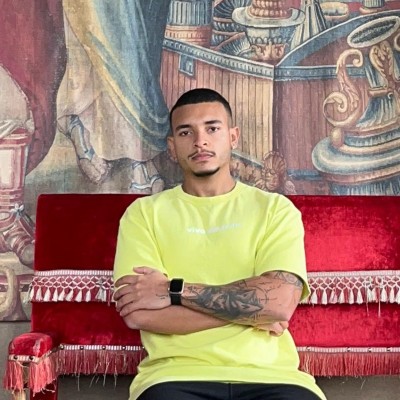
Paulo F Chagas
Masters student, University of Brazil (co-supervised with Bruno Mota)
Paulo has a BSc in Biophysics from the Federal University of Rio de Janeiro (UFRJ). He is currently a Masters student in Applied Physics at the University of Brazil, co-supervised by Rodrigo Kazu and Bruno Mota. His project, Understanding oligodendrocyte dysfunction in Alzheimer’s disease, applies single-cell and multiome approaches to characterise glial cell-type-specific transcriptional changes in AD, using the latest dataset from the Kellis group at MIT.
Collaborators
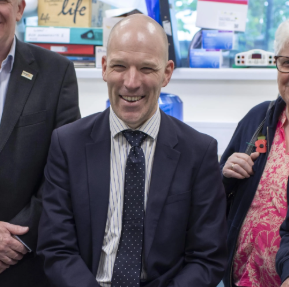
Prof Johnathan Cooper-Knock
NIHR Clinical Lecturer, Sheffield Institute for Translational Neuroscience (SITraN), University of Sheffield. Lab Head.
email: j.cooper-knock@sheffield.ac.uk
Dr Cooper-Knock leads a research group focused on the genetic causes of ALS/MND at SITraN. His lab holds the largest ALS multiome atlas to date and leads the Project MinE whole-genome sequencing initiative. He is co-applicant on the MNDA fellowship application and provides world-class ALS domain expertise to the project.
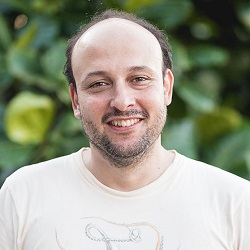
Prof Bruno Mota
Associate Professor, Federal University of Rio de Janeiro (metaBIO). Network science collaborator.
email: bruno@if.ufrj.br
Bruno Mota is an Associate Professor at the Federal University of Rio de Janeiro and head of the metaBIO group. He works on complex networks, brain morphology, and computational biology. He is co-author on the selective pruning network paper and collaborates on the development of new centrality measures to complement MDS analysis in the scController project.
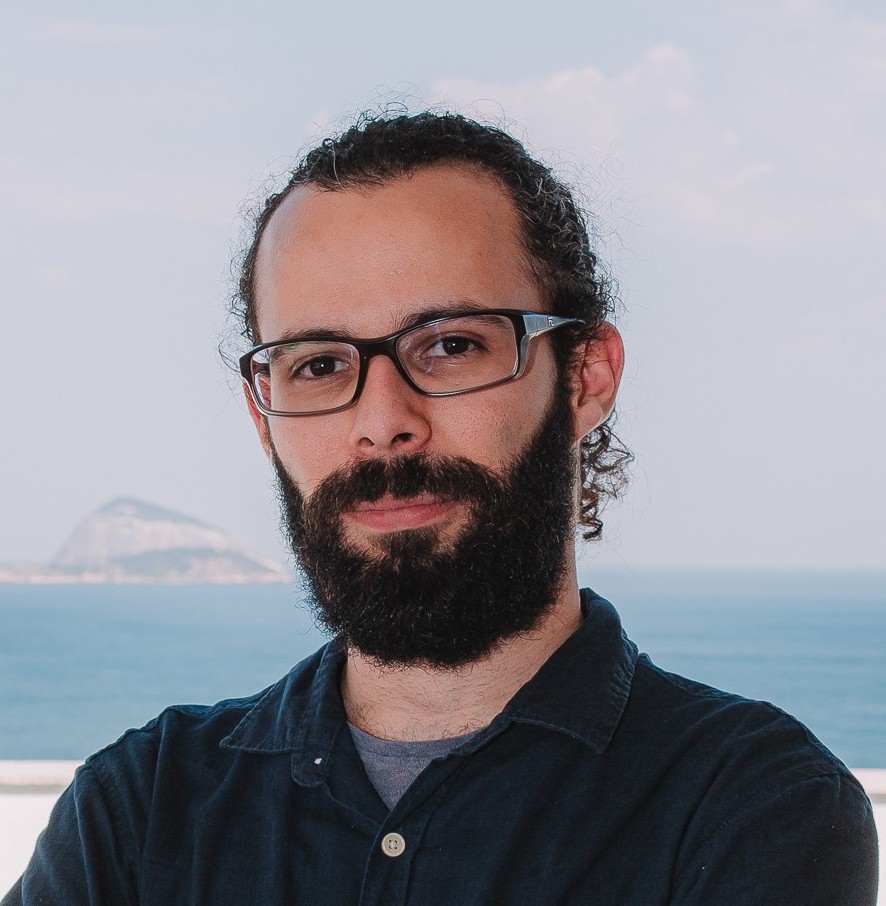
Dr Kleber Neves
Researcher and science policy professional, Serrapilheira Institute, Brazil.
email: klebertnajr@gmail.com
Kleber Neves has a PhD in Neurosciences from the Federal University of Rio de Janeiro and was part of the coordinating team of the Brazilian Reproducibility Initiative. He is a Board Director at ASAPBio and works at the Serrapilheira Institute in science programme management. He is co-author on the selective pruning and neuronal death network paper.
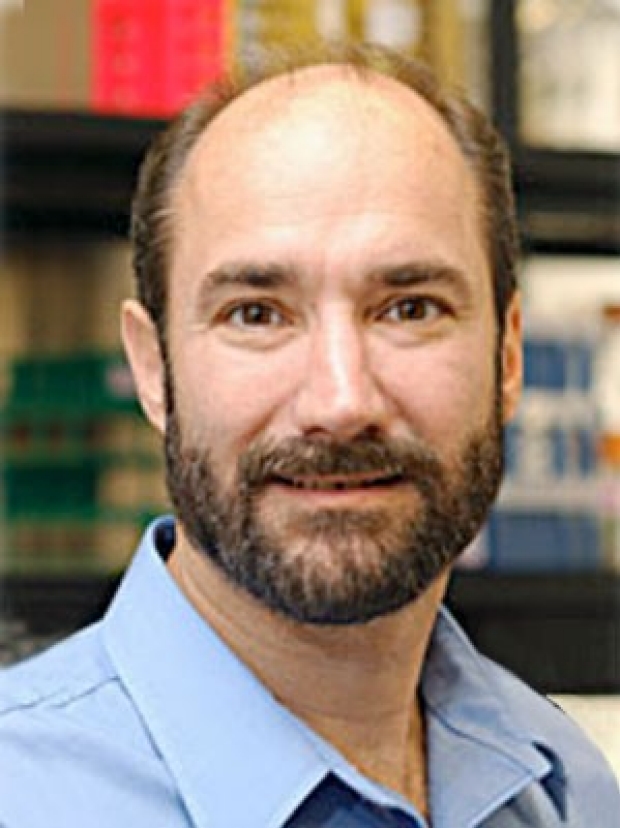
Prof Michael P. Snyder
Professor and Chair of Genetics, Stanford University. Snyder Lab collaboration.
email: mpsnyder@stanford.edu
Michael Snyder is Professor and Chair of Genetics at Stanford University, and director of the Center for Genomics and Personalized Medicine. His lab is a world leader in multiomics and single-cell technologies. The Cooper-Knock group works within the Snyder Lab collaboration for sample processing at Stanford’s Genomics Core facility and computational infrastructure.
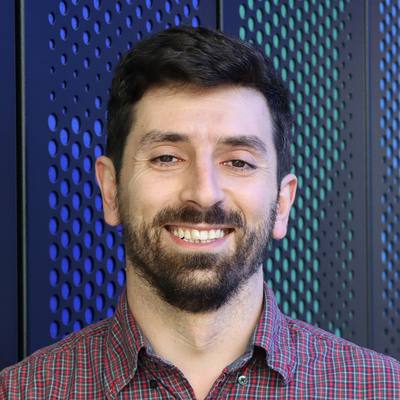
Dr Omer Bayraktar
Group Leader, Wellcome Sanger Institute, Cambridge. Previous host lab.
email: ob5@sanger.ac.uk
Omer Bayraktar leads a research group at the Wellcome Sanger Institute focused on spatial transcriptomics of the brain and nervous system. Rodrigo was a Post-doctoral Fellow in the Bayraktar lab in 2024–2025, working on glioblastoma tumour-associated macrophages using Xenium spatial transcriptomics.
Former Collaborators
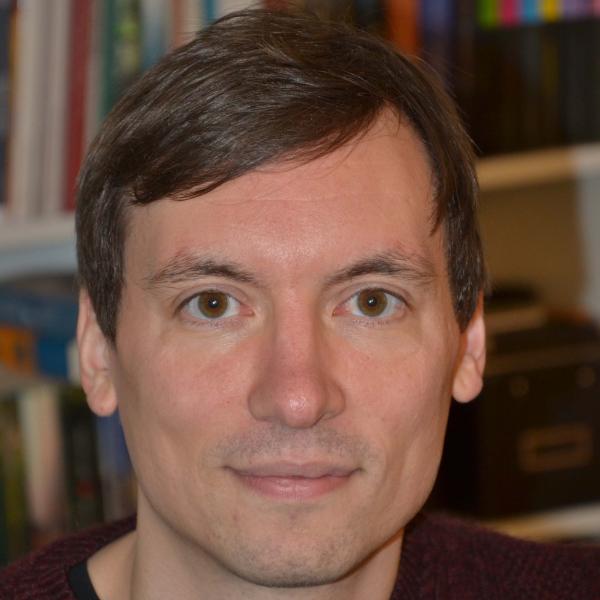
Dr Hannes P Saal
Associate Professor, University of Sheffield. FootSim collaboration.
email: h.saal@sheffield.ac.uk
Hannes Saal leads a computational neuroscience lab at the University of Sheffield focused on the sense of touch. He was the senior author on the FootSim paper (iScience 2022).
Former visitors, BSc/ MSc students
Visitors
Someone, Summer 2018
Master students
A normal guy, Spring 2015
Bachelor Students
A very cool guy, Spring 2017